
The story is often told in its bluntest form: Oasis were kicked out of Abbey Road Studios. As with many Oasis stories, the truth sits somewhere between myth, memory and glorious 1990s chaos. What is clear is that by mid-November 1996, the band’s Abbey Road sessions had become too loud, too exposed and too difficult to continue.
The group soon left London for the relative privacy of Ridge Farm Studio in Surrey, where much of the next phase of Be Here Now would take shape. It was a dramatic turn in a year already overflowing with drama. Only three months earlier, Oasis had stood at the summit of British rock.
Their two nights at Knebworth in August 1996 were not simply concerts; they were a coronation. A quarter of a million people saw the band across two nights, while millions more had applied for tickets. The message was obvious: Oasis were no longer chasing the dream. They had caught it. But almost immediately, the machinery around them began to shake. Liam Gallagher pulled out of the MTV Unplugged performance at the Royal Festival Hall, leaving Noel to sing lead. The American tour that followed became another public disaster.
Liam initially refused to travel. Noel later walked out. By the time the band regrouped to make their third album, the songs were there, the expectation was enormous, but the atmosphere around Oasis was volatile. Abbey Road should have been perfect. For a band so openly in love with The Beatles, recording in the same building where so much of pop history had been made must have felt like destiny.
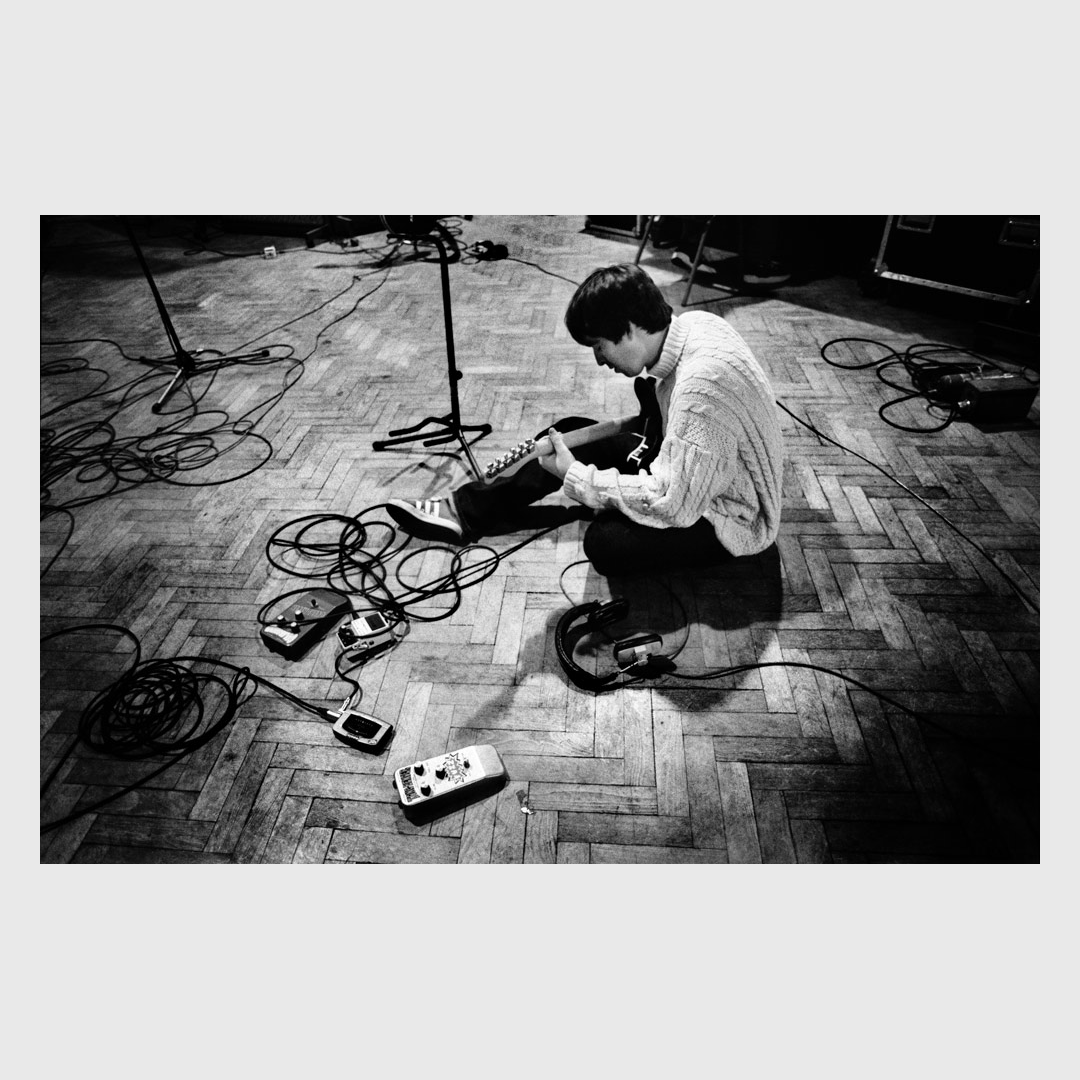
The band were photographed by Jill Furmanovsky in Studio Two in October 1996, the image now standing as one of the great visual documents of the Be Here Now era: Oasis inside Abbey Road, still together, still defiant, still working on new material while the newspapers questioned whether they were falling apart. But Abbey Road was not built for the kind of storm Oasis brought with them. Noel Gallagher later remembered the contrast between the calm corridors of Abbey Road and the chaos coming from the Oasis room. Elsewhere in the building, musicians were making classical records and film scores.
Behind Oasis’ door there was noise, smoke, drinking, shouting and the huge self-belief of a band who had just become the biggest thing in Britain. Engineer Nick Brine later recalled that the atmosphere began well, but that Abbey Road simply did not suit Oasis at that moment. The key incident appears to have involved volume.
According to Brine, someone complained that the low-end from Oasis’ playback was bleeding into a classical session and affecting the sound of cellos. The band were pulled up over the noise. The mood changed. Soon after, leaving became the sensible option.
This is where the legend begins. In later tellings, Noel Gallagher said Oasis were asked to leave Abbey Road. In the Abbey Road documentary If These Walls Could Sing, Noel suggested the band were “a bit boisterous” and had been asked to go. Liam Gallagher, in typical Liam fashion, seemed less convinced, saying there had been talk of it, but he did not think it really happened. That contradiction is almost perfect.
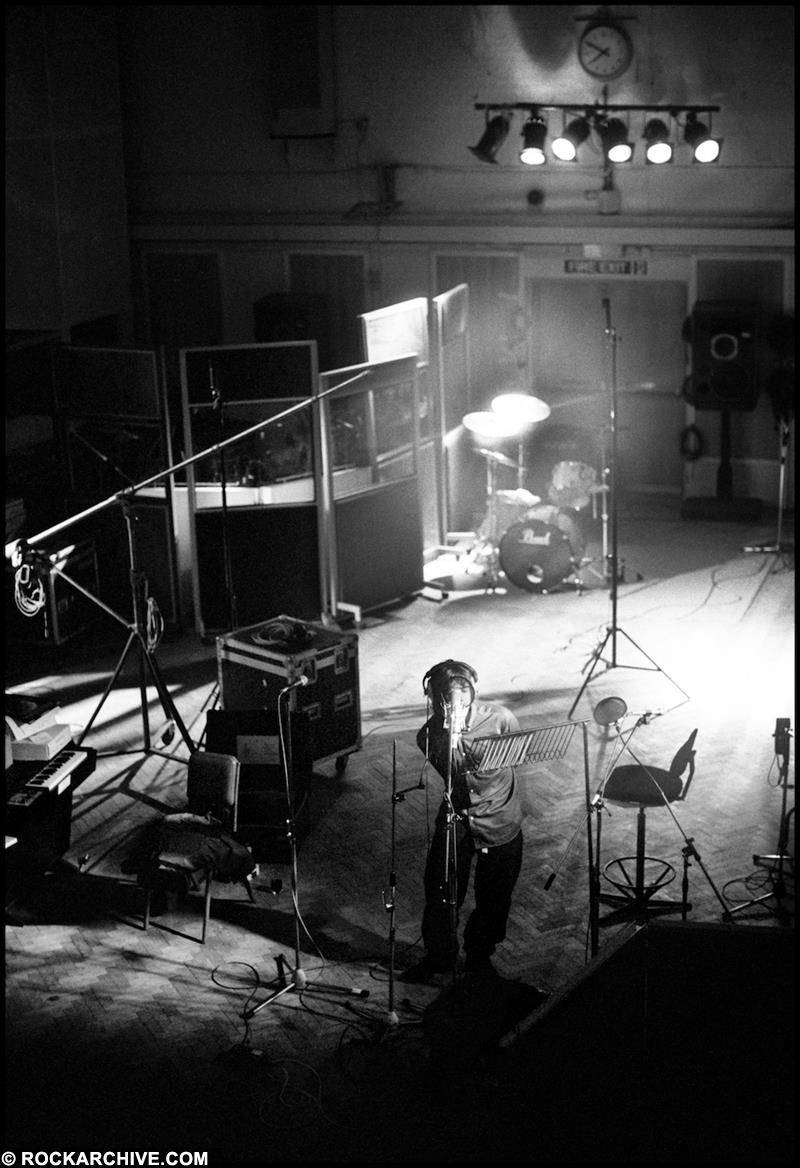
One brother remembers the myth. The other questions it. Somewhere between them is probably the truth: Oasis were not politely blending into Abbey Road’s working environment, the sessions were becoming unproductive, the press attention around the band was unbearable, and the band needed to get out. There was another problem too: the outside world would not leave them alone. By November 1996, Oasis were not just a band. They were a news event. Liam’s arrest and caution for cocaine possession after the Q Awards intensified the tabloid feeding frenzy.
Abbey Road, for all its history and glamour, was in London and accessible. It could not provide the shelter Oasis needed. If they were going to make the album, they needed somewhere more private, somewhere away from the cameras, the papers and the growing sense that the band’s every move was being watched.
So Oasis retreated to Ridge Farm. The move to the countryside did not magically sober the album up. If anything, Ridge Farm became another chapter in the same story: excess, paranoia, huge ambition and a band attempting to follow Morning Glory while still living inside the explosion it had caused. But the move did matter. It marked the end of the Abbey Road phase and the beginning of the record’s deeper transformation into the oversized, overdriven, over-layered beast that became Be Here Now.
The irony is that Abbey Road, the place that represented discipline, craft and musical history, could not contain Oasis at the exact moment they were least containable. The songs that began during those sessions included early work on tracks such as D’You Know What I Mean?, Magic Pie, The Girl in the Dirty Shirt and It’s Gettin’ Better (Man!!). But much of what was started there would be revised, redone or rebuilt elsewhere.
Be Here Now would eventually be completed across several studios, including Ridge Farm, Air, Master Rock and Orinoco, before becoming the most anticipated British album release of its generation. When it arrived in August 1997, the numbers were ridiculous. Be Here Now sold hundreds of thousands of copies in Britain on its first day. It was less an album launch than a national event. For a brief moment, it seemed Oasis had done the impossible again. Then the hangover arrived. Over time, Be Here Now became the album fans, critics and even Noel himself would argue over: too long, too loud, too full of cocaine-era confidence, but also impossible to separate from the scale of Oasis at their peak.
It is flawed, excessive and fascinating for exactly the same reason. It sounds like a band who had conquered everything and had no idea what to do next except turn everything up. That is why the Abbey Road story still matters. Whether Oasis were formally “kicked out” or simply reached the point where everyone knew they had to leave, 11 November 1996 captures something essential about the Be Here Now era. This was the moment the biggest band in Britain discovered that even Abbey Road had limits. Oasis had walked into the temple of The Beatles. They left trailing noise, smoke, myth and unfinished songs. And somehow, that feels exactly right.


Comments
0 approvedNo comments yet. Be the first.
Leave a comment