
The Gig That Shouldn’t Have Been
Oasis’s road to Glasgow was anything but straightforward. The band, unsigned and largely unknown outside Manchester, travelled north after learning their mates in the band Sister Lovers had secured a support slot at King Tut’s. Armed with little more than their instruments and brash determination, they persuaded the venue staff to let them play an unannounced set.
Alan McGee, the founder of Creation Records, was at the gig by sheer happenstance. He’d only arrived early because his sister insisted on beating the usual post-work crowd. McGee was there to watch the headliners, 18 Wheeler, but the second Oasis struck their opening chords, he knew he was witnessing something special.
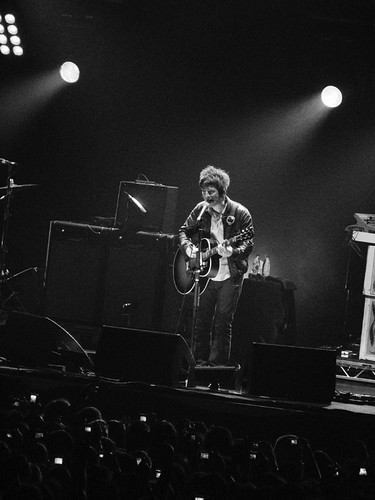
“It was a complete fluke,” McGee later admitted. “But as soon as I heard Liam’s voice and saw the band’s presence, I thought, ‘I have to sign them.’” It wasn’t just their sound that captivated him—it was the Gallagher brothers’ unmistakable confidence. Noel Gallagher, ever the maestro, commanded the guitar while Liam prowled the stage with the charisma of someone who knew he’d be a star.
The Deal That Sealed It
What happened next is the stuff of legend. Backstage, McGee offered Oasis a recording contract on the spot. The band’s response? A mix of excitement, scepticism, and typical Gallagher banter.
For Noel Gallagher, the deal was both an opportunity and a vindication. Speaking about it years later, he said, “Signing to Creation wasn’t just signing a deal—it was a promise to the world that we’d be the biggest band in the world. And I knew we would be.”
Liam, never one to miss a chance for bravado, simply remarked, “Of course he signed us. Who wouldn’t?”
The details of the contract reflected McGee’s confidence in the band. Though exact figures remain private, the deal ensured the band had creative freedom—a crucial factor for Noel, who insisted on maintaining control over the song writing and production process. The band was given studio time to craft their first single and, eventually, their debut album.
From Glasgow to Global Domination
Oasis’s first single, “Supersonic,” was released in April 1994 and set the stage for their meteoric rise. By the time their debut album, Definitely Maybe, dropped in August 1994, Oasis had already become the face of the burgeoning Britpop movement. The album didn’t just break records—it shattered expectations, becoming the fastest-selling debut album in British history.
Alan McGee’s faith in Oasis wasn’t misplaced. Under his stewardship at Creation Records, the band went on to release (What’s the Story) Morning Glory?, the 1995 album that catapulted them to international superstardom. Reflecting on the moment he signed them, McGee later said, “It’s the best decision I ever made.”
Legacy of a Fluke
What makes the story of Oasis’s signing so remarkable is how it hinged on a series of near-misses and lucky breaks. Had Alan McGee arrived an hour later or if the King Tut’s staff had turned Oasis away, British music history might look very different.
For Creation Records, signing Oasis wasn’t just a highlight—it was transformative. The label, which had already nurtured acts like The Jesus and Mary Chain, Ride, and Primal Scream, became synonymous with Britpop, and Oasis became their crown jewel.
As for the Gallaghers? They turned a chance encounter into a career that defined a generation. And while they may no longer share a stage, the story of King Tut’s Wah Wah Hut remains a testament to the power of raw talent, sheer determination, and a little bit of luck.
Creation Records, Classic Pop, The Sun

Comments
0 approvedNo comments yet. Be the first.
Leave a comment